
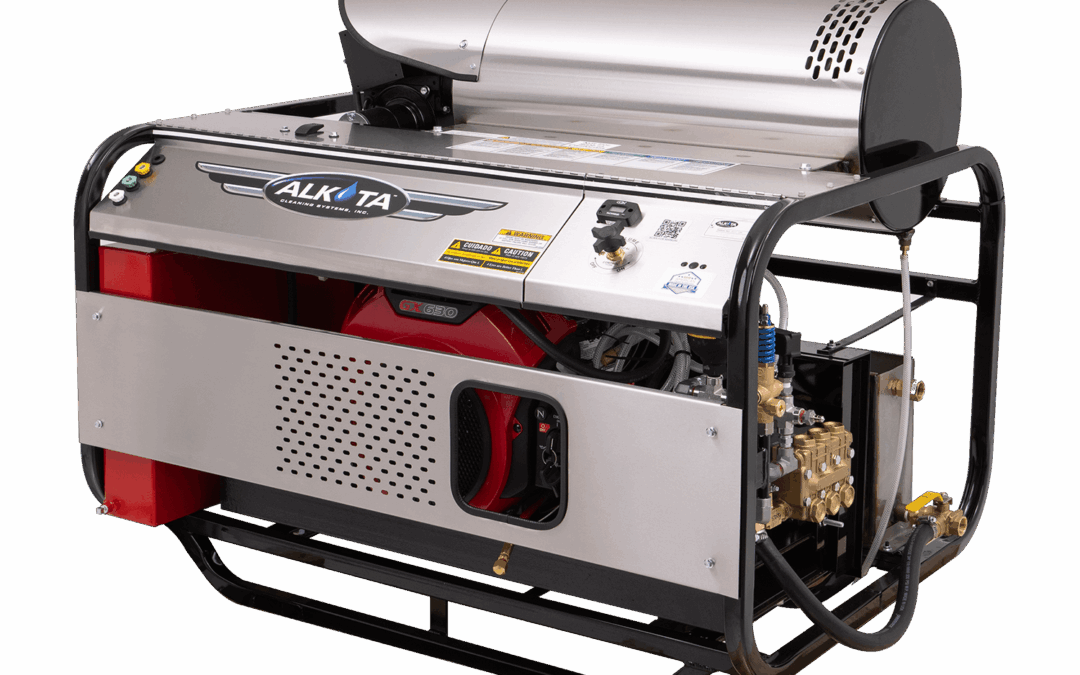
If you run a fleet of pressure washers in Chicago, sizing your power and generator systems correctly isn’t optional, it’s central to uptime, fuel efficiency, and compliance with local rules. Get this right and your crews start on time, finish on time, and avoid premature wear on motors, pumps, and heaters. Get it wrong and you’re dealing with nuisance trips, stalled jobs, expensive emergency rentals, or failed starts on cold mornings. This guide walks you through what you need to know to choose the right generator and power configuration for pressure washers used across Chicago’s seasons and urban constraints.
Why Proper Power And Generator Sizing Matters
Operational Risks: Undersizing And Oversizing
Undersizing generators or power feeds is the most obvious risk: motors don’t start because inrush current exceeds supply, breakers trip, heaters won’t reach required temperature, and you lose work time. On the flip side, oversizing, while seemingly safe, creates stealth costs. An oversized generator frequently runs at low load, which reduces fuel efficiency, increases wet stacking risk on diesels, and can shorten maintenance intervals because systems aren’t operating in their designed range.
Think about a fleet of trailer-mounted hot-water pressure washers. If your generator can’t handle both the high‑pressure pump motor and the boiler ignition blower when they start simultaneously, you get brownouts or failed starts. But a generator twice the necessary size wastes money: higher capital cost, heavier tow weight, and poor fuel burn when doing small jobs.
Efficiency, Fuel Costs, And Downtime Impacts
Fuel and downtime are your two biggest line-item impacts after equipment cost. Properly sized generators and electrical systems let your units run at 50–80% load, the sweet spot for fuel efficiency and mechanical longevity. Running consistently below 25% load on a diesel inverter or conventional generator increases soot buildup and maintenance needs.
Downtime cascades in a fleet context: one stalled crew can force reassignments, rush-hour returns, or emergency rentals. That’s why generator sizing is as much an operational decision as an electrical one.
A practical rule: size for expected simultaneous loads with a little headroom (15–25%) and plan for seasonal derating (cold‑start assistance, battery heaters, etc.).
Typical Power Requirements For Pressure Washers
Cold‑Water Versus Hot‑Water Units
Cold‑water units use power primarily for high‑pressure pumps (electric motors or engine drives) and accessories. Hot‑water units add burners, boilers, and blower fans, which can significantly increase electrical draw and require control power for safety circuits.
A typical electric cold‑water pump might draw 10–30 amps at 230V (single- or three-phase), while a commercial hot‑water washer with an electric pump plus an electric boiler can require several kilowatts more. When the burner is gas- or diesel-fired, electrical needs for the control panel, ignition, and circulation pump are smaller but still must be counted.
Electric Motor Ratings, Gas Engines, And Boiler/Heater Loads
Electric motors list both running (continuous) amps and locked-rotor or starting current. A 5‑hp pump motor could have a full‑load current of ~16 A at 230V single-phase but a locked-rotor current several times higher. Gas/diesel engines powering pumps reduce electrical load but add fuel logistics and exhaust considerations.
Boilers/heaters vary widely. Electric heaters are straightforward: their kW rating converts directly to generator load. Fuel-fired boilers need small electric feeds for fans and controls, but their thermal capacity affects duty cycles and simultaneous-use patterns.
Key takeaway: always gather nameplate data for pumps, motors, heaters, blowers, lifts, and accessories before sizing. Don’t estimate: measure or confirm ratings.
How To Calculate Generator Size For A Fleet: Step‑By‑Step
Determine Running And Starting (Inrush) Loads
Start by listing every electrical device on a unit with nameplate watts, volts, phase, and amps. Split loads into running (continuous) and starting (inrush) components. For motors, use the locked-rotor or service factor values when available, or apply typical starting multipliers (3–7x for full‑size AC motors, lower for modern inverter‑driven motors).
Example: you have a 7.5‑hp pump motor (running 20 A at 230V), an electric boiler (10 kW), and controls (2 A). Running load ≈ 20 A + 43 A + 2 A = 65 A at 230V. But starting the pump could briefly demand 100–140 A. Your generator must tolerate that transient without tripping.
Apply Diversity Factors And Simultaneous‑Use Scenarios
Not every device runs at full load at once. Use diversity factors to model realistic simultaneous loads. For a fleet, create scenarios: single-unit operation, two-unit cluster, peak-season multi-unit jobs, and emergency backup. Assign probability-based diversity (for example, 0.8 for two units, 0.6 for three) based on your operational history.
Don’t underapply diversity: in practice, crews often power both washer and ancillary tools simultaneously (vacuums, lights, heaters). Be conservative in the worst-case scenario but realistic for routine operations.
Converting Watts, Amps, And Phase Considerations
Convert between amps and watts using P = V × I × √3 for three‑phase, or P = V × I for single‑phase. Match generator ratings in kW (real power) and kVA (apparent power) to your load type. Motors and non-linear loads require higher kVA for the inrush and power factor considerations.
If your fleet uses both single‑ and three‑phase equipment, or if job sites vary, consider a three‑phase generator with single‑phase taps, it’s more flexible and better for heavy motor loads. Always size the generator’s kVA to accommodate starting kVA, then confirm the continuous kW rating covers sustained loads.
Sizing Decisions Specific To Chicago Fleets
Climate, Seasonal Demand, And Cold‑Weather Starts
Chicago winters are punishing. Cold starts increase battery strain, thicken oils, and raise starting current. Hot-water units need preheat cycles: diesel engines may require block heaters or fuel‑heater systems to avoid waxing. When sizing, factor in a higher inrush allowance during winter and plan for battery warmers and engine heaters to reduce generator load and failed starts.
Also, demand surges in spring and fall for building exteriors and municipal contracts, plan your fleet’s generator capacity to cover those seasonal peaks without constant rentals.
Local Regulations, Noise Ordinances, And Permits
Chicago has noise rules and specific permitting for stationary equipment and fuel storage. Trailer generators used near residential areas may need mufflers, enclosures, or curfews to comply with local ordinances. When selecting units, prioritize models with low dB ratings at typical distances and verify permit requirements for long-term on‑site use.
Check city and county guidance for temporary power permits, especially if you’ll park generators at commercial sites overnight or near sensitive receptors.
Onsite Fuel Storage, Delivery, And Urban Logistics
Fuel logistics in urban Chicago require planning: accessible refueling routes for trucks, safe temporary storage, and spill containment. Diesel is common for larger units, but if you choose propane or gasoline for small portable units, confirm storage limits and vendor delivery practices.
Also consider towing and parking limits, heavier trailer-mounted generators need commercial drivers or special permits for certain streets. Optimize the mix of portable and trailer units to match urban maneuverability constraints.
Practical Generator And Power Options For Fleets
Portable Gas/Diesel Generators Vs. Trailer‑Mounted Units
Portable gas or small diesel generators are cost‑effective for single crews and quick jobs. They’re light, easy to stow, and cheap to replace. But for multi-unit operations or hot-water washers with boilers, trailer‑mounted diesel generators (20–125 kW range) deliver sustained power, larger fuel capacity, and better load handling.
Match generator mobility to job profiles: urban daytime jobs favor compact units: large commercial contracts and long shifts favor trailer-mounted generators with onboard tanks.
Inverter Generators, Hybrid Battery Systems, And PTO Options
Inverter generators offer clean power and excellent fuel economy at light loads, great for electric pumps and electronics. Hybrid battery systems (battery packs with a genset or solar charging) can handle soft starts and reduce runtime, cutting fuel costs and emissions on long idle periods.
Power take-off (PTO) from a service vehicle is another option: eliminates a separate generator but ties you to vehicle engine operation. PTOs are useful where municipal rules or parking rules limit additional equipment.
Matching Generator Ratings To Fleet Operation Patterns
Don’t buy for maximum theoretical load. Create profiles: typical single-crew day, peak multi-crew day, and worst-case emergency. Then select a generator mix (small portables + a few larger trailer units + hybrids/inverters) that covers the profiles with redundancy. This approach lowers upfront cost while ensuring you can scale up when needed.
Installation, Safety, And Maintenance Considerations
Electrical Protection, Transfer Switches, And Grounding
Install proper circuit protection, automatic transfer switches for standby setups, and adhere to NEC and local codes. Grounding and bonding are crucial for safety and to prevent nuisance trips on sensitive electronics or control circuits. If you use multiple generators in parallel, use approved paralleling panels and synchronizing controls.
Fuel Handling, Emissions Compliance, And Noise Mitigation
Follow EPA and local emissions standards for stationary and mobile generators. Emissions control matters for diesel units in Chicago. Use particulate filters where needed and choose Tier-rated engines when possible. For noise mitigation, choose acoustic enclosures and place generators as far from residences as practical.
Routine Testing, Load‑Banking, And Preventive Maintenance
Schedule periodic load‑bank testing and run generators under realistic loads, idle testing doesn’t reveal fuel system or high-load weaknesses. Maintain logs for oil, coolant, filters, and exercise cycles. This prevents surprises during peak season and keeps warranties intact.
Train your crew to perform basic checks daily: fuel level, oil, battery state, visual leaks, and an engine run for at least 30 minutes under load weekly.
Don’t let an undersized generator derail your fleet’s productivity or lead to costly equipment failure. At High PSI, we specialize in high-performance power solutions tailored for Chicago’s demanding industrial environments. Contact us today to consult with a specialist and ensure your pressure washing fleet is equipped with the perfectly sized power systems to handle any job, in any season.
Frequently Asked Questions
How do I calculate generator size for pressure washers in my Chicago fleet?
List nameplate watts/amps for every device, separate running and starting (inrush) loads, apply motor starting multipliers (3–7x) or locked‑rotor data, add 15–25% headroom, and convert to kW/kVA. Model single‑crew, multi‑crew, and peak scenarios to pick generators that handle both starting kVA and continuous kW.
Why is proper generator sizing critical for pressure washers operating in Chicago?
Correct sizing prevents failed cold starts, nuisance breaker trips, and downtime that cascade across a fleet. It improves fuel efficiency (best at 50–80% load), avoids wet stacking on diesels, lowers maintenance, and helps crews start and finish on schedule across Chicago’s seasonal extremes.
What special sizing considerations should Chicago fleets account for in winter?
Chicago cold increases starting current, thickens oils, and stresses batteries. Size for higher inrush during winter, plan for battery and block heaters, and include cold‑start assistance. Factor seasonal derating and allow extra headroom to avoid failed starts and excessive generator strain on freezing mornings.
Can inverter or hybrid battery systems reduce generator size needs for pressure washer fleets?
Yes. Inverter generators and hybrid battery packs handle soft starts and short peak loads, cutting runtime and fuel use. They’re ideal for light loads and electronics; however, heavy hot‑water boilers still need genset capacity. Use hybrids to reduce overall genset hours and emissions on urban jobs.
How do Chicago noise and permitting rules affect generator selection for trailer‑mounted units?
Local noise ordinances and permitting influence choice of low dB units, acoustic enclosures, and mufflers. Long‑term or overnight on‑site use may require permits and fuel‑storage approvals. Select quieter trailer generators and verify city/county permit and placement rules before deployment.