
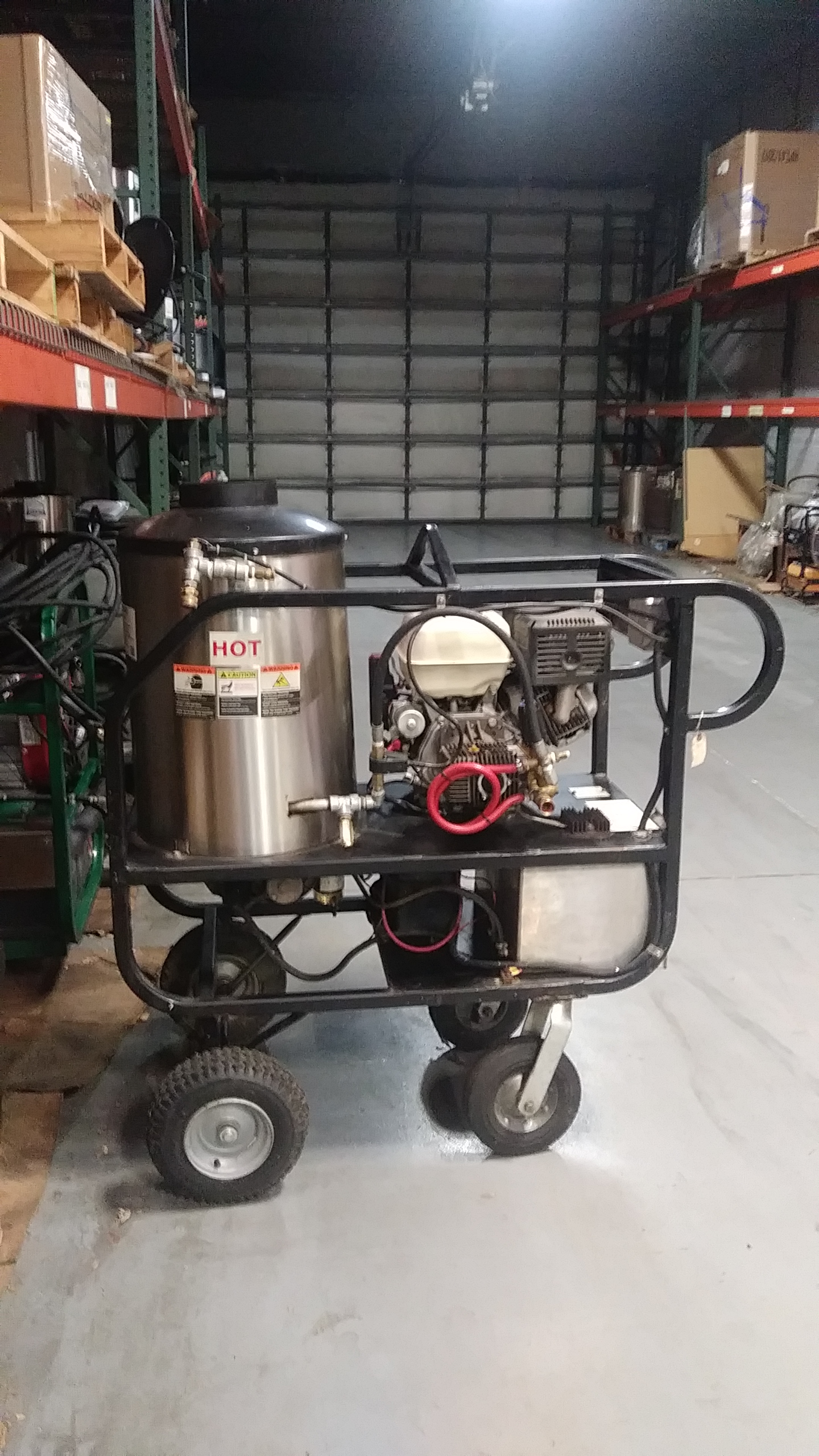
Your pressure washer doesn’t get days off, especially in Chicago, where grime, salt, algae, and construction dust are a year-round thing. When it won’t start, won’t build pressure, or your hot-water unit stops heating right before a big job, on-site pressure washer repair in Chicago can save your schedule (and your back). Here’s exactly what to expect on a service call, how to prep, and how to keep your equipment running reliably through Midwest seasons.
When On-Site Repair Makes Sense
Common Symptoms That Point To A Service Call
You’ll know it’s time to bring a tech to your site if you notice:
- No-start or hard-start conditions (cranks but won’t fire, trips breakers, or blows fuses)
- Low or fluctuating pressure, pulsation at the gun, or surging
- Water leaks, oil leaks, or fuel odors around the unit
- Burner not firing, lukewarm output on hot-water units, or sooting
- GFCI nuisance trips on electric units
- Unusual noises: whining pump, rattling unloader, or screeching belt
- Excessive vibration or rapid hose/gun failures
If the unit is mounted on a truck/trailer, plumbed into a tank, or otherwise not easy to move, on-site service is usually the fastest route.
Equipment Types Covered (Gas, Electric, Hot-Water, Trailer Units)
Most mobile pressure washer repair techs in Chicago work across:
- Gas and diesel cold-water units (belt or direct drive)
- Electric units (120V/240V single-phase: some can handle 3-phase shop systems)
- Hot-water machines with diesel, kerosene, or natural gas burners
- Skid mounts and trailer units with onboard tanks and reels
If you’ve got specialized gear (steam capability, reclaim systems, or custom plumbing), mention it when you book so your tech brings the right tools and fittings.
Residential Versus Commercial Considerations
- Residential: Short hose runs, municipal water, GFCI outlets, and smaller electric units are common. Access and parking are usually easier, but breaker capacity can be a limitation.
- Commercial/industrial: Higher duty cycles, hot-water burners, and trailer rigs are typical. Expect deeper diagnostics, OSHA-aware safety practices, and attention to site logistics, docks, key cards, elevators, or union job sites. In downtown Chicago, load-in timing and parking clearances can drive scheduling.
How To Schedule And Prepare
Information Technicians Will Ask For
Have these details ready when you call for on-site pressure washer repair in Chicago:
- Make/model and serial number
- Power type (gas, diesel, electric, voltage/phase)
- Symptoms, error codes, and what changed before failure
- Recent maintenance or parts replaced
- Water source (city spigot, tank, or limited supply) and hose sizes
- Photos of the unit, data tags, burner label, and installation
- Address, contact on site, and any access instructions
Site Access, Safety, And Clear Work Area
Clear a 6–8 ft perimeter around the machine. Techs need room for gauges, buckets, and hoses. Ensure:
- Safe footing and lighting
- Pets and bystanders kept away
- Elevator or dock access arranged (if applicable)
- Parking instructions shared in advance to avoid delays or tickets
Water, Power, And Fuel Readiness
- Water: Provide a working spigot or filled supply tank with adequate flow. Starving a pump during testing can cause damage.
- Power: For electric units, confirm breaker rating and outlet type. Avoid long undersized extension cords that cause voltage drop.
- Fuel: Gas/diesel/kerosene tanks should be at least half full. Old fuel is a frequent culprit, if it smells varnished, say so.
Cold-Weather Prep For Winter Service Calls
Chicago winters add hurdles. Before the tech arrives:
- Store the unit in a heated space if possible: frozen pumps and burst coils are common
- If the unit’s been outside, don’t force it, let it thaw, or your tech will
- Provide safe access through snow/ice: salt the path
- Verify indoor combustion air for hot-water units: never run burners in unventilated rooms
- Keep antifreeze or winterizing solution on hand for end-of-visit protection if the unit will return to the cold
What Happens During The Service Call
Arrival Window, Walkthrough, And Initial Assessment
Most Chicago service providers give a 2–4 hour arrival window. When your tech shows up, you’ll do a quick walkthrough: symptoms, how the unit’s installed, and any recent changes. They’ll verify model/serial numbers and perform a visual check for leaks, heat damage, loose fittings, and safety issues.
Diagnostics: Pressure, Flow, Heat, And Leak Testing
Expect targeted tests, not guesswork:
- Pressure/flow: Gauge the outlet, check unloader operation, and verify nozzle size. Surging often traces to a worn unloader or air leaks on the suction side.
- Heat: For hot-water, they’ll check burner ignition, fuel pressure, coil condition, and thermostat/cycle behavior. Sooting hints at poor combustion or restricted airflow.
- Electrical: Measure voltage under load, test switches, relays, capacitors, and look for GFCI/trip issues.
- Fluids/leaks: Inspect pump oil (milky oil = water intrusion), seals, and fittings: verify water supply volume.
Estimate Review And Approval Process
After diagnostics, you’ll get an estimate for parts and labor. Good techs explain:
- Root cause, not just the failed part
- Immediate must-do repairs vs. preventive suggestions
- Parts availability and any lead times
You approve before work proceeds. For larger commercial jobs, a PO may be required.
Repairs, Parts On The Truck, And When A Return Trip Is Needed
Most common failures, unloader valves, seals, hoses, guns, thermostats, ignition coils, nozzles, are stocked on the truck. If a coil, burner assembly, specialty pump, or proprietary board is needed, expect a return visit after parts arrive. For trailer rigs, some repairs (burner coils, frame-mounted pumps) can take longer due to access.
Final Run-Up, Safety Checks, And Documentation
Once repairs are done, your tech will:
- Run the unit up to temperature/pressure and set baselines
- Check for leaks, vibration, and correct burner cycling
- Verify safeties: pressure relief, flow switch, low-fuel cutoffs where applicable
- Provide a work order with parts used, test results, and maintenance notes
If you’re commercial, ask for baseline readings (PSI, GPM, amp draw, fuel pressure). They’ll help with future troubleshooting and warranty claims.
Common Repairs And Parts Replaced On-Site
Pumps, Unloader Valves, And Seals
- Pumps: Seal kits and valve kits are routine fixes for low pressure or milky oil. Belt-drive pumps often outlast direct drive but still need periodic resealing.
- Unloaders: Worn or misadjusted unloaders cause surging and overheating. Replacement and proper setting make a night-and-day difference.
- Seals/O-rings: Tiny air leaks on the suction side create cavitation. Fresh seals and thread sealant often restore stable pressure.
Hoses, Guns, Lances, Nozzles, And Fittings
High-pressure hoses age fast in Chicago winters and jobsite abuse. Expect replacement when you see blisters, exposed wire, or stiff sections.
- Guns/lances: Trigger leaks, sticky valves, and worn swivels are common. Upgrading to a relax-action gun reduces fatigue.
- Nozzles: An oversized or worn nozzle drops PSI. Techs size nozzles to your pump’s GPM and unloader setting.
- Quick-connects/fittings: Brass deforms: stainless lasts longer in salt and cold.
Burners, Coils, Thermostats, And Sooting Issues (Hot-Water Units)
- Burners: Igniters, fuel solenoids, and electrodes fail with age. Dirty fuel filters cause hard starts and smoke.
- Coils: Scale buildup reduces heat transfer and can scorch insulation. Severe sooting means incomplete combustion, often a fuel/air mix issue or blocked exhaust.
- Controls: Thermostats and flow switches ensure safe cycling. Misreads lead to short cycling and wasted fuel.
Electrical, Switches, Relays, And Fuel Delivery Systems
- Electric units: Pressure switches, relays/contactors, capacitors, and motors are common service points. Undersized extension cords cause heat and nuisance trips.
- Fuel delivery: For gas/diesel engines, carburetor clean/rebuilds, injector service, and new fuel lines fix many no-starts. Stale fuel is a frequent winter problem.
Pricing, Timing, And Chicago-Specific Factors
Typical Labor Windows, Trip Charges, And Parking Constraints
Most on-site pressure washer repair in Chicago uses:
- Trip/diagnostic charge to roll a truck (varies by distance and parking)
- Hourly labor with 1–2 hour minimums
- Parts billed at market rate
Downtown work may add time for parking garages, loading docks, or waiting for freight elevators. Plan for it: it’s not padding, it’s Chicago logistics.
Parts Availability And Lead Times In Peak Season
Spring and fall are busy. Common parts are usually in stock, but burner coils, specialty pumps, and OEM control boards can run 2–7 business days. If you’re seasonal, consider pre-season inspections to avoid those delays.
Warranty Coverage, Exclusions, And Proof Of Maintenance
Manufacturers often cover defects, not wear-and-tear or freeze damage. You may need:
- Proof of oil changes, filter replacements, and descaling
- Photos or records of proper installation
- Nozzle size and unloader settings at time of failure
If a third party installed the unit (e.g., trailer builder), coordination may be required for claims.
City Realities: Weather, Downtown Access, And Water Discharge Practices
- Weather: Freeze-thaw cycles crack pumps and coils. If your unit lives in an unheated space, winterize after every use below 40°F.
- Access: Schedule around rush hours and event days when possible. Share dock hours and building rules in advance.
- Water discharge: Chicago and surrounding municipalities can enforce BMPs for wash water. Avoid sending oily runoff into storm drains: use containment, filters, or reclaim systems where required.
Aftercare And Preventive Maintenance
Post-Repair Checklist And Performance Baselines
Before your tech leaves, note:
- Verified PSI and GPM under load
- Burner temperature rise (for hot water)
- Amp draw/voltage on electric units
- Unloader setting and nozzle size installed
Write these on a tag near the unit. They’re your baseline for spotting drift.
Routine Maintenance Intervals And Consumables
- Pump oil: Every 3 months or 300 hours (check your manual)
- Fuel filters/air filters: Inspect monthly in dusty jobs: replace as needed
- Nozzles: Replace every 100–200 hours, cheap insurance for correct pressure
- Descale hot-water coils: 1–2 times per year depending on water hardness
- Hoses and guns: Inspect weekly: swap at first sign of bulging or leaks
Early Warning Signs That Merit A Follow-Up
- Pressure takes longer to build or pulses at the trigger
- Burner smoke, odor, or soot around the exhaust
- GFCI trips or breaker pops under normal load
- Milky pump oil or unexplained oil loss
- Unusual vibration or hotter-than-normal pump head
Don’t wait, small issues get expensive fast.
Winterization And Storage Tips For Chicago Conditions
- Flush with RV antifreeze if stored below 40°F: run it through the pump, coil, and hose
- Drain hoses and guns: store nozzles in a dry bin
- Keep fuel fresh with stabilizer: run engines monthly if possible
- Protect the unit from salt spray and road brine: rinse frames and reels
- For trailer rigs, check battery health and tire pressure during long storage
Conclusion
On-site pressure washer repair in Chicago is about speed, safety, and fixing the real problem the first time. If you prep your site, share clear details, and approve a targeted plan, most issues, from pressure loss to burner faults, can be handled in a single visit. Set baselines after the repair, stick to simple maintenance, and winterize religiously. Your washer will pay you back with reliable performance when the weather, and your workload, don’t cut you any slack.
Contact High PSI to schedule on-site pressure washer repair in Chicago and get a service plan that keeps your equipment ready week after week.
Key Takeaways
- Call a pro when you see no-starts, weak or surging pressure, leaks, burner issues, GFCI trips, or unusual noise/vibration—especially for mounted or trailer units.
- Speed up on-site pressure washer repair in Chicago by sharing make/model, power type, symptoms, water source, photos, and by clearing a 6–8 ft workspace with water, power, and fresh fuel ready.
- Expect a 2–4 hour arrival window, a quick walkthrough, targeted diagnostics (pressure/flow, heat, electrical, leaks), and an estimate you approve before work begins.
- Most common repairs are completed same day from truck-stocked parts (unloaders, seals, hoses, guns, nozzles, thermostats), while coils, specialty pumps, or control boards may require a return visit.
- Plan for trip/diagnostic fees, hourly labor, and downtown logistics like parking, docks, and elevators, and note that spring/fall demand can extend parts lead times.
- After the fix, record PSI/GPM and burner temps, stick to routine maintenance, and winterize to prevent freeze damage—on-site pressure washer repair in Chicago often resolves issues in a single visit.
Frequently Asked Questions
What should I expect during an on-site pressure washer repair in Chicago?
Expect a brief walkthrough, model/serial verification, and safety check, followed by targeted diagnostics for pressure, flow, heat, electrical, and leaks. You’ll get an estimate explaining root cause, required parts, and timing. Most common parts are truck-stocked; the tech performs repairs, verifies operation, and provides documentation and baseline readings.
How should I prepare for a pressure washer service call?
Clear a 6–8 ft work area with safe footing and lighting, keep people and pets away, and arrange parking/dock or elevator access. Ensure a working water source, correct power/breaker, and at least half a tank of fresh fuel. Share photos, symptoms, model/serial, and any access instructions in advance.
Do technicians repair hot-water and trailer-mounted units on-site?
Yes. Mobile techs typically service gas, diesel, and electric units, including hot-water machines with diesel/kerosene/natural gas burners, skid mounts, and trailer rigs. They test ignition, fuel pressure, coils, thermostats, and flow switches. Mention steam capability, reclaim systems, or custom plumbing when booking so they bring correct fittings and parts.
How much does on-site pressure washer repair in Chicago cost and how long does it take?
Many providers charge a trip/diagnostic fee plus hourly labor. Typical ranges: $95–$175 for the trip, $120–$180 per hour, with 1–2 hour minimums. Simple fixes may finish in one visit; specialty parts can require a return. Downtown garages, freight elevators, and parking can add time and fees.
What cold-weather steps should I take before a winter service call?
If possible, store or thaw the unit in a heated space—frozen pumps and coils are common. Clear snow/ice and salt paths. Confirm safe indoor combustion air for hot-water burners. Provide adequate water flow. Keep RV antifreeze on hand so the tech can winterize the system after testing if it returns to the cold.
Is on-site pressure washer repair in Chicago better than taking the unit to a shop?
For mounted, plumbed, or heavy trailer units, on-site service saves downtime and transport hassles, and diagnostics reflect real-world installation issues. Shop service can be cheaper for extensive teardown or coil replacements. Choose on-site for no-starts, pressure loss, leaks, and burner faults; choose shop for major overhauls when transport is easy.